
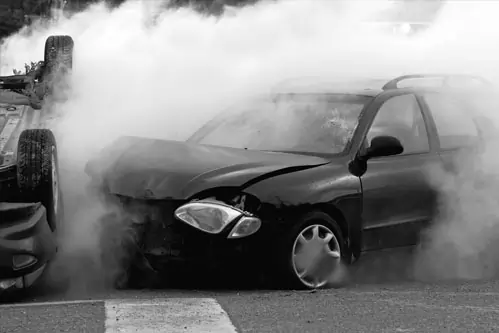
Getting into a car accident is stressful. But when more than two vehicles are involved? That’s a whole different level of chaos.
Multi-car crashes — often called chain-reaction or pile-up accidents — are more complicated than your average fender bender. With multiple drivers, vehicles, and insurance companies in the mix, it can be hard to know what to do in the moment. Below, our friends at Pavlack Law, LLC provide an outline of some actions you may consider should you encounter such a situation.
- Stay Calm and Prioritize Safety
The first and most important thing: try to stay calm.
If your vehicle is drivable and you’re not seriously injured, move it to a safe spot, like the shoulder or a nearby parking lot, if it’s safe to do so. If you can’t move your car or traffic is still moving around you, it’s usually safest to stay inside with your seatbelt on until help arrives. Getting out and walking between vehicles, especially on a highway, can put you at serious risk.
Turn on your hazard lights to alert other drivers. If you have road flares or emergency reflectors in your trunk, this is the time to use them.
- Call 911, Even If It Doesn’t Seem Serious
Whether it’s a big pile-up or a chain-reaction bump at a red light, it’s always a good idea to call emergency services. Police and paramedics can help assess injuries, direct traffic, and document the scene.
The police report that gets filed often becomes important when sorting out what happened, especially in crashes involving multiple drivers with different stories.
- Exchange Info — But Keep Conversations Brief
You’ll want to get the basics from the other drivers involved:
- Name
- Contact info
- Insurance company and policy number
- License plate and vehicle make/model
Take a breath and stay polite, but try not to say too much. Avoid discussing who’s at fault or how the crash happened. It’s easy to say something in the moment that might be misinterpreted later.
- Take Photos — Lots of Them
Your phone is your best tool here. Snap photos of:
- Damage to your car (and others)
- The road and weather conditions
- Vehicle positions (before anyone moves them, if possible)
- Traffic signs, skid marks, and debris
The more you document, the better. These pictures can help insurance adjusters, and, in some cases, crash investigators figure out who hit whom — and when.
- See a Doctor, Even If You Feel Fine
Some injuries don’t show up right away. Things like whiplash, concussions, or internal bruising can take hours or even days to become noticeable. The CDC recommends getting checked out after a crash, just in case. Plus, having a medical record can be helpful if symptoms develop later on.
- Let Your Insurance Company Know
Most insurers require that you report accidents “promptly.” Be ready to provide them with:
- The police report number (if available)
- Photos and witness info (if any)
- Details about what you remember
- They’ll take it from there, but it helps to be organized on your end.
Final Thoughts
As a car accident lawyer knows, multi-car crashes can be messy, but knowing what to do and what not to do can make a huge difference in how things play out afterward. The goal is simple: stay safe, gather good information, and let the professionals handle the rest. For more tips on what to do after a crash, check out trusted sources like NHTSA.gov or your insurance company’s accident guide.