
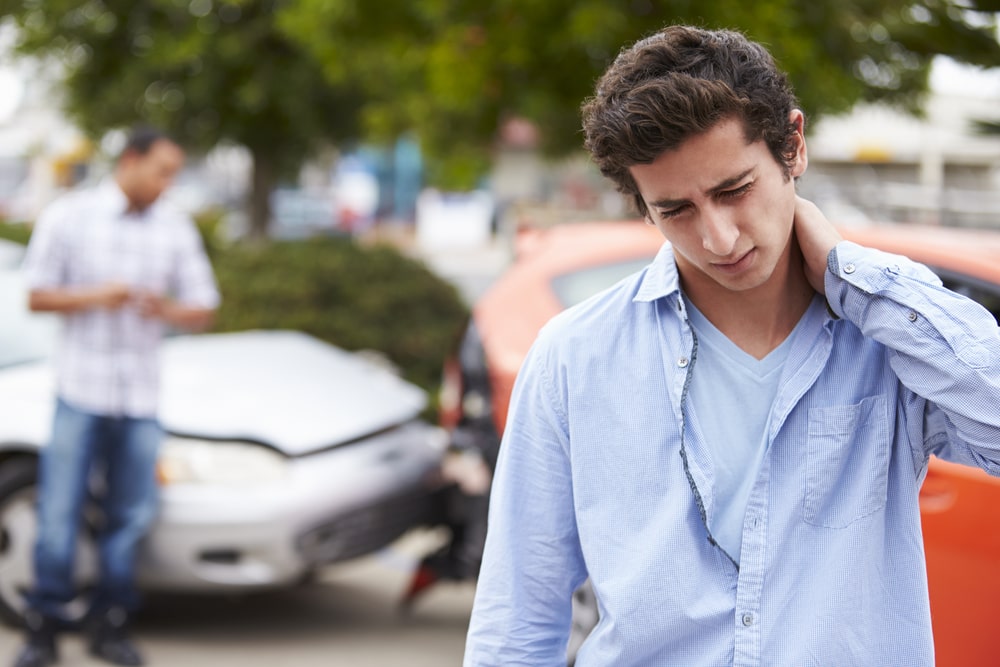
Once immediate safety and medical needs have been addressed, drivers involved in a collision typically need to exchange identifying and insurance information. Gathering the right details can make later communications with insurers, repair facilities, and investigators much easier.
Our friends at Isaacson, Schiowitz & Korson, LLP provide this practical overview of what drivers should collect and how to do it safely. A car accident lawyer can help ensure important information gathered after a collision is used to protect your rights, support your insurance claim, and strengthen any potential personal injury case.
Basic Driver Information
Ask the other driver for:
- Full name
- Current address
- Telephone number
- Driver’s license information
- Email address, if appropriate
Whenever possible, confirm the spelling rather than relying on a hurried handwritten note. A clear photograph of the license may be useful if the driver agrees and local rules permit it. Protect the image afterward because a driver’s license contains sensitive personal information.
Vehicle Information
Record the vehicle’s:
- Make and model
- Color
- License plate number
- Vehicle identification information, if reasonably available
- Visible areas of damage
If the driver is not the registered owner, ask for the owner’s name and contact information. This situation may arise with a borrowed car, company vehicle, rental car, or vehicle owned by a relative.
Insurance Information
Request the name of the insurance company, the policy number, and any telephone number or claim-reporting information shown on the insurance card.
An insurance card does not guarantee that coverage was active on the accident date, but it provides a starting point. Avoid arguing at the scene about whether a particular policy applies.
Passenger and Witness Information
Record the names and contact information of passengers in the vehicles. Passengers may have relevant information even if they are related to a driver.
Separately identify independent witnesses. Ask for a phone number or email address and make a brief note describing where each witness was located.
Do not assume the police will obtain every witness’s information.
Details About the Accident
Write down the date, approximate time, and precise location. Include nearby street names, intersections, exits, businesses, landmarks, or mile markers.
Other useful observations may include:
- Direction of travel
- Lane positions
- Traffic-signal status
- Weather
- Lighting
- Road conditions
- Construction activity
- Obstructions
- Whether headlights were in use
These details can become harder to remember as time passes.
Photographs Can Preserve the Information
Photograph the vehicles, plates, damage, roadway, traffic controls, and insurance documents if it is safe and appropriate to do so.
Take wide photographs of the scene in addition to close-ups. If vehicles must be moved, initial photographs of their positions may be especially helpful, provided taking them does not place anyone in danger.
Information That Should Not Be Debated
The exchange of information is not the time to argue about fault or negotiate payment. A driver should be cautious about making an immediate cash arrangement before the full extent of damage or injury is known.
Similarly, avoid speculating about speed, distance, or physical condition. Provide truthful identifying information and factual observations without turning the roadside encounter into an investigation.
What If the Other Driver Refuses?
Do not escalate the confrontation. Move to a safe place and contact law enforcement. Record the license plate, vehicle description, and direction of travel if you can do so safely.
If the driver leaves, provide that information to the police and your insurance company promptly.
Be Informed
A complete exchange of information can prevent avoidable delays after a collision. The goal is not to determine fault at the roadside. It is to preserve accurate contact, vehicle, insurance, witness, and scene information so the accident can be evaluated through the proper process.