
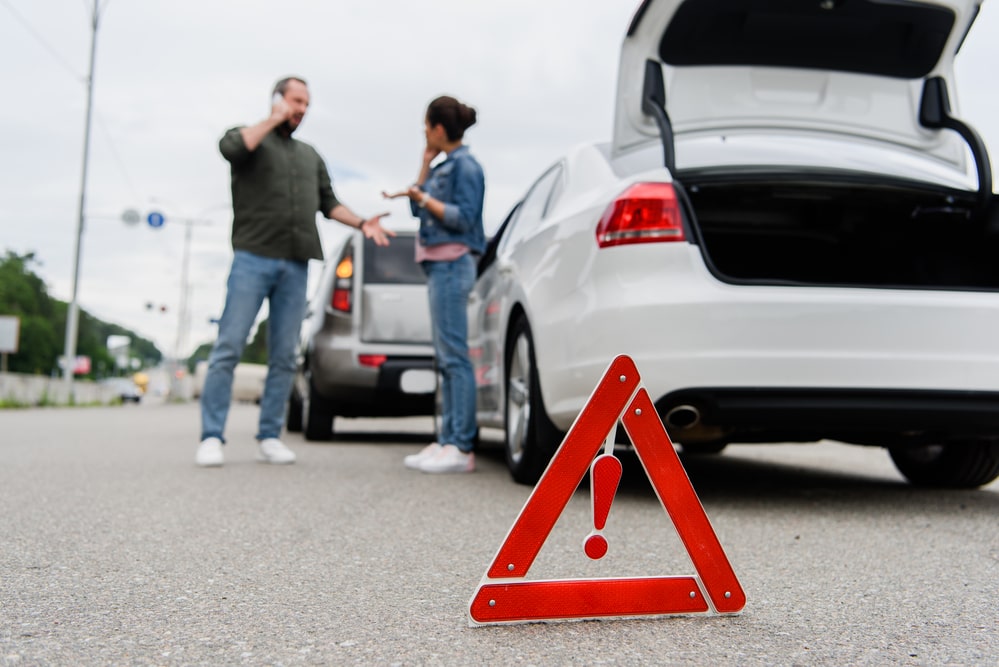
Accidents disrupt lives without warning, leaving victims to piece together medical care, financial stability, and legal protection simultaneously. When you schedule a consultation with an attorney, you’re taking a decisive step toward accountability and recovery, but the effectiveness of that meeting hinges entirely on the materials you bring.
Our friends at Polchinski & Smith Personal Injury Lawyers discuss how proper documentation transforms preliminary consultations into powerful case-building sessions. A productive meeting with your car accident lawyer requires more than simply recounting what happened—it demands concrete evidence that proves liability, quantifies damages, and anticipates defense strategies before they materialize.
What Safety Equipment Documentation Demonstrates Your Reasonable Conduct?
Defendants often claim injured parties contributed to their own harm through carelessness. Counter these allegations by bringing proof you exercised appropriate caution. For vehicle accidents, bring maintenance records showing regularly serviced brakes, tire tread depth measurements, and functioning safety features. Helmet purchase receipts for cycling accidents or protective gear invoices for sports injuries demonstrate you took reasonable precautions.
Bring certification cards for safety training you’ve completed—defensive driving courses, workplace safety programs, or first aid training. If required safety equipment was defective or unavailable, bring photographs showing missing guardrails, broken helmet straps, or malfunctioning seatbelts. This evidence shifts responsibility squarely onto defendants who created or failed to remedy dangerous conditions.
How Do Professional License and Certification Records Prove Career Impact?
Injuries that threaten your professional credentials create damages extending far beyond immediate lost wages. Bring copies of licenses, certifications, or professional registrations your injuries may jeopardize. Commercial driver’s licenses requiring medical clearances, nursing licenses demanding physical capabilities, or trade certifications requiring manual dexterity all represent career investments now at risk.
Bring continuing education transcripts showing courses you’ve completed, professional association memberships you maintain, and specialization credentials you’ve earned. If medical restrictions prevent license renewal or certification maintenance, bring documentation explaining these requirements. Letters from licensing boards about medical examination failures or provisional status due to your injuries prove tangible career consequences deserving substantial compensation.
Which Product Defect Evidence Expands Liability Beyond Obvious Defendants?
Sometimes injuries result from defective equipment rather than just human negligence. Bring the actual product that failed if possible—broken ladders, malfunctioning car seats, or defective power tools. Preserve items exactly as they were after your accident without attempting repairs. Bring purchase receipts, warranty information, and assembly instructions to establish you used products as intended.
Research whether manufacturers have issued recalls, safety warnings, or product updates addressing the defect that injured you. Bring consumer complaints filed with regulatory agencies, online reviews describing similar failures, and news articles about related incidents. Multiple failure reports establish pattern defects rather than isolated malfunctions, potentially adding manufacturers as deep-pocket defendants alongside individuals.
What Dependency Documentation Justifies Family Impact Claims?
Injuries affect entire family units, not just individual victims. Bring documentation establishing who relies on you financially and practically. Tax returns claiming dependents, custody agreements establishing parenting responsibilities, and eldercare arrangements showing relatives depending on your support all demonstrate broader harm.
If you provide financial support to family members not living with you—college tuition payments, elderly parent assistance, or child support beyond legal requirements—bring proof of these contributions. Bring calendars showing regular caregiving commitments to children, parents, or disabled relatives. Statements from family members describing how your injuries have disrupted household functioning, forced role changes, or created emotional hardship add human dimensions to damage calculations.
How Should I Document Specialized Hobby and Recreation Losses?
Quality of life damages deserve recognition even when activities don’t generate income. Bring evidence of meaningful pursuits your injuries have ended—marathon registration history, musical performance schedules, recreational league rosters, or art show participation records. Equipment purchases for hobbies now impossible—golf clubs, musical instruments, camping gear, or photography equipment—represent investments in activities that brought purpose and joy.
Bring travel itineraries for adventure trips now cancelled, season passes for activities you can no longer enjoy, or club memberships you’ve had to surrender. Social media posts, trophy collections, or published works from creative pursuits demonstrate serious engagement rather than casual interest.
Launching Your Legal Journey
Comprehensive preparation demonstrates credibility, commitment, and the seriousness of losses you’ve sustained, positioning your case for the strongest possible outcome.