
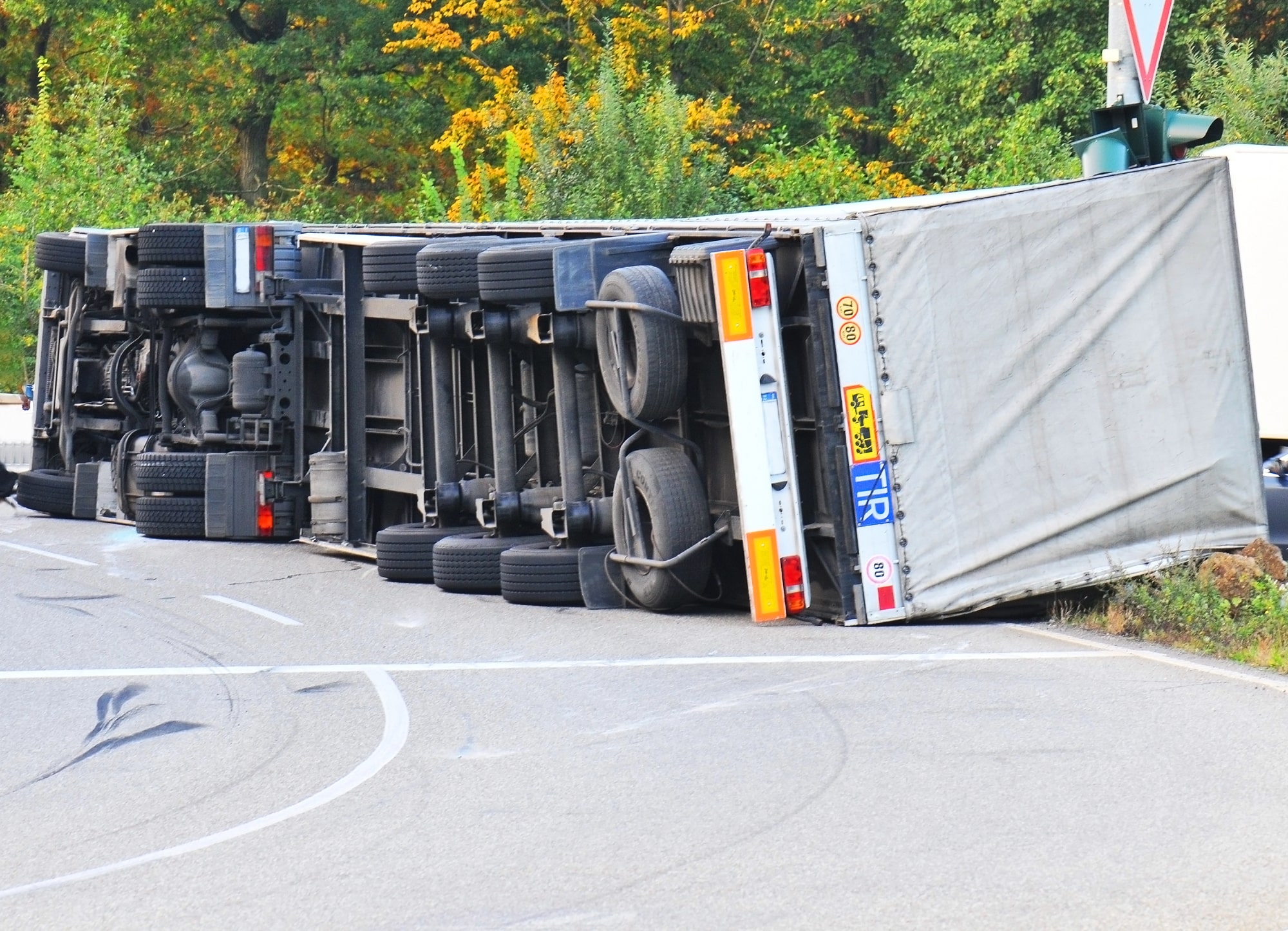
When a truck collides with another vehicle, many people focus first on the driver or the trucking company. As a truck accident lawyer can share, the decisions made by cargo loaders, those responsible for securing the freight, can be central to determining who bears responsibility.
How Cargo Loading Affects Crash Risk
Commercial trucks often carry heavy, shifting, or awkwardly shaped loads. If cargo isn’t properly secured or distributed, it can shift during transit, which destabilizes the vehicle’s center of gravity and makes it more prone to tipping or rolling over. Improper distribution can also cause unexpected weight imbalances, particularly noticeable when the driver takes a sharp turn or applies the brakes suddenly, increasing the risk of losing control.
In some cases, unsecured cargo may spill onto the roadway, putting nearby vehicles at risk and potentially triggering dangerous chain-reaction collisions. Even when cargo remains inside the truck, it can exert uneven pressure on the vehicle’s internal components, leading to premature mechanical failures or brake malfunctions. In each of these scenarios, mistakes made during the loading process can turn an otherwise routine journey into a serious accident.
Legal Basis For Loader Liability
Those tasked with loading cargo hold a legal duty to follow safety protocols, industry standards, and regulatory rules (for example, the Federal Motor Carrier Safety Administration’s cargo securement rules). A breach of that duty, through overloading, under‑securing, or uneven weight distribution, can be a basis for liability. To hold a loader liable, a plaintiff must show that the loader’s mistake contributed in a meaningful way to the crash. For example, a load shift may have caused the truck to jackknife or roll over. Proving this often requires:
- Technical specialist statements proving that improper loading contributed to the accident
- A detailed report or simulation that reconstructs how the load shifted before, during, and after the accident
- Inspections of the load bars, straps, chains, and other tie-downs used to secure the cargo to determine the points of failure
Even if a cargo loader makes the initial error, the trucking company or carrier may share liability. For reasons such as:
- Inadequate training or supervision
- Policies that encourage unsafe loading practices
- Liability under “negligent hiring” or “vicarious liability” theories
The loader and the carrier may be held jointly responsible in a single claim.
Challenges In Proving Loader Fault
- Access to internal documents: Load plans, inspection logs, shipment manifests.
- Lack of visibility: Many loading operations happen out of public view in warehouses or docks.
- Technical complexity: It’s often necessary to show how the load’s movement altered the crash sequence.
- Blame-shifting: The trucking company may claim the driver caused the crash, obscuring responsibility.
Overcoming these barriers requires early investigation, preservation of evidence, and engaging counsel who is familiar with truck accident law.
Why This Matters In Practice
Including cargo loaders in a legal strategy can:
- Open additional paths to compensation
- Increase leverage for settlement
- Cover gaps where the driver or carrier arguments fall short
- Send a potent message to trucking operations about safe practices
As our friends at Disparti Law Group can attest, handling these claims demands careful legal and technical work but can make a significant difference in outcomes. If you or a loved one is recovering from a collision involving a large truck, talk to a lawyer in your area today to explore all potentially liable parties.