
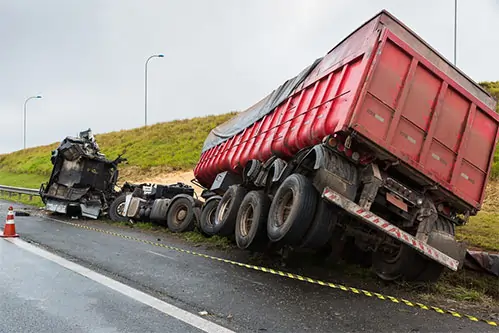
Collisions in construction zones often involve more complex liability than typical traffic accidents. While another driver may have directly caused your crash, the construction company, general contractor, traffic control company, or government agency overseeing the project might share responsibility. Understanding these potential sources of liability helps you identify all parties who should compensate you for injuries suffered in work zone accidents.
Our friends at Woron and Dhillon, LLC handling construction zone collision cases investigate beyond just driver negligence to uncover dangerous conditions that contributed to crashes. A truck accident lawyer experienced with work zone accidents can identify all potentially liable parties and pursue compensation from each responsible entity.
Why Construction Zones Are Dangerous
Road construction and maintenance create hazardous conditions that increase accident risk. According to the Federal Highway Administration, hundreds of people die in work zone crashes annually, with thousands more suffering serious injuries. Lane shifts, reduced lanes, uneven pavement, and changing traffic patterns all contribute to collision risks.
Construction zones compress traffic into smaller areas while drivers must process new information quickly. Signage warns of upcoming changes, but poor placement or inadequate warnings leave drivers without sufficient time to react safely. Temporary traffic control devices may be missing, damaged, or positioned incorrectly.
Worker presence near active traffic lanes adds stress and distraction. Drivers watching workers or construction equipment may not notice vehicles ahead slowing or stopping. The combination of environmental hazards and driver behavior creates conditions where accidents happen frequently.
Parties Who May Share Liability
Construction zone accidents can involve multiple defendants beyond the driver who hit you. Identifying all responsible parties becomes necessary for recovering full compensation, particularly when driver insurance alone won’t cover your damages.
Construction Companies And Contractors
The general contractor and subcontractors working on road projects have duties to maintain safe conditions. When their failure to properly mark hazards, maintain adequate lighting, or control traffic flow contributes to accidents, they can be held liable.
Construction companies must follow federal Manual on Uniform Traffic Control Devices standards for work zone safety. Violations of these requirements that cause crashes create liability separate from any driver negligence involved in the collision.
Traffic Control Companies
Many construction projects hire specialized traffic control companies to manage vehicle flow through work zones. These companies install signs, cones, barriers, and other devices meant to guide drivers safely. When they place warning signs too close to hazard areas, fail to maintain reflective equipment, or create confusing traffic patterns, their negligence contributes to crashes.
Traffic control company liability exists independently from construction company responsibility. Both may share fault when inadequate traffic management combines with other dangerous conditions to cause accidents.
Government Entities
State departments of transportation, county road departments, and municipal authorities oversee road construction projects on public roadways. When government agencies fail to properly design traffic control plans, adequately inspect work zone safety compliance, or maintain roads in reasonably safe condition during construction, they may be liable for resulting accidents.
Suing government entities involves special procedures and shorter deadlines than standard injury claims. Notice requirements and governmental immunity doctrines limit when and how you can pursue these claims, making early investigation necessary.
Common Construction Zone Hazards
Specific dangerous conditions in work zones create liability for parties responsible for maintaining safety. Documenting these hazards strengthens your claim against construction companies and other entities beyond just the driver.
Inadequate or confusing signage represents a frequent problem:
- Warning signs placed too close to hazards
- Missing or damaged advance warning signs
- Contradictory signs creating confusion about proper lanes
- Signs obscured by vegetation or construction equipment
- Inadequate reflective materials making signs invisible at night
Poor temporary road surface conditions cause accidents when construction companies fail to maintain reasonably safe driving surfaces. Potholes, uneven transitions between pavement types, loose gravel, and sudden changes in road elevation all create hazards that can lead to loss of control or collisions.
Insufficient lighting in night construction zones makes it difficult for drivers to see hazards, lane shifts, or workers. When construction companies work after dark without providing adequate artificial lighting or reflective materials, they create dangerous conditions for passing motorists.
Proving Third-Party Liability
Building cases against construction companies and other entities requires different evidence than standard car accident claims. We investigate work zone design, regulatory compliance, and industry standards to establish that parties beyond the driver contributed to your crash.
Obtaining the traffic control plan approved for the construction project shows what safety measures should have been in place. Comparing the plan to actual conditions at the time of your accident reveals deviations that may have caused or contributed to the collision.
Photos and videos from the accident scene document hazardous conditions. We gather this evidence quickly before construction companies modify the work zone or remove equipment. Witness statements from other drivers who noticed dangerous conditions support claims that work zone design was inadequate.
Expert Analysis Of Work Zone Safety
Traffic engineers and construction safety professionals provide opinions about whether work zones met applicable standards. These professionals review the traffic control plan, accident scene evidence, and relevant regulations to determine if construction companies, traffic control contractors, or government agencies violated safety duties.
Expert testimony often proves necessary to establish that work zone conditions contributed to your accident. Juries need help understanding technical requirements and how specific violations created hazards that led to the collision.
Federal And State Work Zone Requirements
Multiple levels of regulation govern construction zone safety. Federal highway safety standards establish baseline requirements for work zones on roads receiving federal funding. State departments of transportation adopt additional regulations specific to their jurisdictions.
Violations of these mandatory requirements create strong evidence of negligence. When construction companies fail to follow federal MUTCD standards or state-specific work zone regulations, and those failures contribute to accidents, liability becomes easier to establish.
We research applicable regulations thoroughly to identify all violations present in your work zone crash. Each violation represents a separate basis for holding responsible parties accountable.
Insurance Coverage In Construction Zone Cases
Construction companies carry commercial general liability insurance and often have specific coverage for roadway operations. These policies typically provide higher limits than personal auto insurance, making them valuable sources of compensation when work zone conditions caused your injuries.
General contractors may have additional umbrella policies providing millions in coverage above their primary insurance. Identifying all available insurance requires investigating corporate structures and insurance relationships between general contractors and subcontractors.
Government entities defending work zone accident claims use their own liability insurance or self-insurance funds. Coverage limits vary significantly depending on the governmental unit involved and applicable state laws capping government liability.
Shared Fault Between Drivers And Other Parties
Construction zone accidents frequently involve both driver negligence and hazardous work zone conditions. One driver might be speeding or following too closely while confusing signage or poor lane markings also contributed to the collision. Multiple parties can share liability based on their respective contributions to the crash.
Comparative fault principles apply, reducing each defendant’s responsibility based on their percentage of blame. Even when the other driver was primarily at fault, recovering additional compensation from construction companies or contractors for their portion of responsibility provides money beyond what driver insurance covers.
Time Sensitivity In Construction Zone Claims
Evidence disappears quickly after work zone accidents. Construction companies modify traffic patterns, move equipment, and change road surfaces as projects progress. Waiting too long to investigate means losing documentation of hazardous conditions that existed when you crashed.
Government notice requirements in claims against public entities impose strict deadlines, often requiring notice within 30 to 180 days depending on jurisdiction. Missing these deadlines typically bars recovery from government defendants entirely regardless of their fault.
We begin investigating construction zone accidents immediately to preserve evidence and meet all applicable deadlines. This urgency protects your rights against all potentially liable parties.
Workers’ Compensation Considerations
If you’re a construction worker injured in a work zone accident, workers’ compensation may provide your primary remedy against your employer. However, you can still pursue third-party claims against drivers who hit you or other companies whose negligence contributed to your injuries.
These dual claims require coordination to address subrogation issues and maximize your total recovery from all available sources.
Pursuing Full Compensation
Construction zone accidents often involve dangerous conditions created by parties beyond just the driver who hit you, opening multiple paths to compensation when work zone hazards contributed to your collision. Construction companies, traffic control contractors, and government entities all have duties to maintain reasonably safe work zones, and their failures to meet these obligations create liability separate from driver negligence. If you were injured in a work zone crash, document all hazardous conditions immediately through photos and witness statements, preserve evidence of inadequate signage or traffic control, and consider getting legal guidance to investigate all potentially responsible parties and pursue compensation from every entity whose negligence played a role in causing your injuries.