
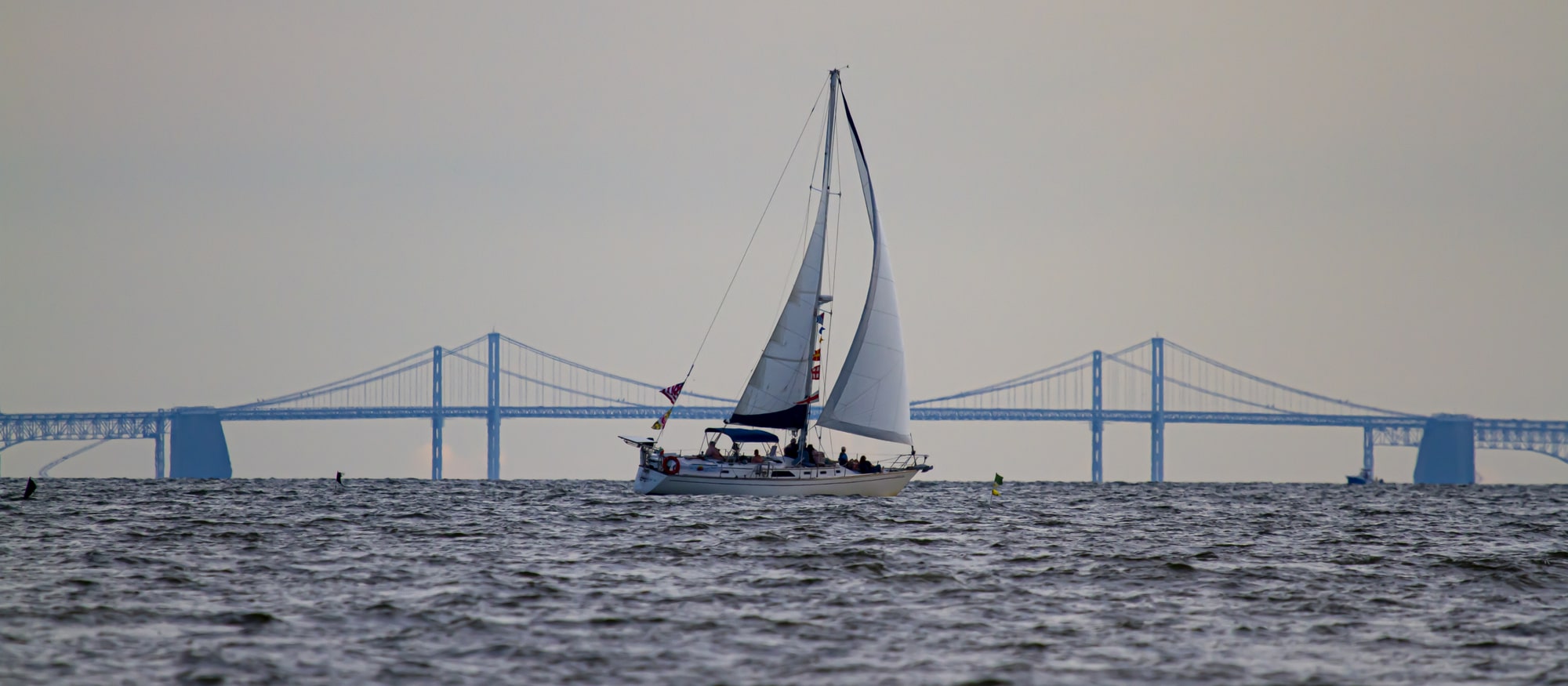
The Florida Fish and Wildlife Conservation Commission’s boating accident report counted 685 reportable accidents statewide in a recent year, 81 deaths, and hundreds of injuries serious enough to require more than basic first aid. Collisions with a fixed object, meaning docks, pilings, seawalls, and channel markers, made up the single largest share of those crashes at 31%. What stands out for anyone on the water near Pembroke Pines is how often inexperience is involved. Roughly 65% of operators in fatal accidents had no formal boater education, and that pattern shapes how a Pembroke Pines boating accident lawyer builds a claim.
The harm reaches well past the fatality count. Nationally, the CDC reports an average of about 4,083 unintentional drowning deaths a year, along with roughly 8,111 emergency room visits for nonfatal drowning. A nonfatal drowning is not a minor event. It can leave a person with lasting brain damage or permanent disability. When our firm takes a Pembroke Pines boating accident case, these long-term outcomes are what we base compensation calculations around.
Common Types of Injuries in a Pembroke Pines Boating Accident Case
Boat wrecks tend to produce worse injuries than a car crash for a simple reason: there are no seatbelts, no airbags, and often nothing between a passenger and the water or a hard surface. The injuries our attorneys see most often in these cases include:
- Traumatic brain injuries. A fall against a gunwale, a collision, or being thrown from a vessel can cause a concussion or something far more serious. Many brain injuries are not obvious at the scene, which is one reason boating cases can be hard to value early. That same head and spine trauma appears in bicycle accidents, where riders are similarly unprotected.
- Spinal cord and back injuries. High-impact collisions can fracture vertebrae or damage the spinal cord. These are among the most expensive injuries to treat, and spinal cord injury claims often involve a lifetime of care.
- Broken bones and orthopedic trauma. Being thrown against a cleat, a rail, or the deck breaks bones. A fall on a wet deck or a slick dock causes the same fractures we handle in slip and fall claims.
- Propeller injuries and deep lacerations. Contact with a spinning propeller produces severe, disfiguring wounds and, in the worst cases, amputations.
- Drowning and near-drowning. Even survivors can suffer oxygen-deprivation brain injury that affects memory, movement, and speech.
The impact forces in a high-speed collision between vessels rival what we see in truck accident cases, and the results can be just as catastrophic. Insurers know this, which is why they often move quickly to minimize what they pay for serious injuries. Prevention matters, and a free vessel safety check from the Coast Guard Auxiliary is a reasonable step before any season on the water.
Pembroke Pines Boating Accident Lawyer FAQs
Do I really need an attorney for a boating accident?
You are not required to hire one, but boating claims are harder than most car cases. Fault often turns on navigation rules, vessel maintenance, and operator conduct that most people are not familiar with. There may be more than one insurer, or none at all. An attorney gathers the evidence before it disappears, values the full extent of your injuries, and deals with the adjusters so you can focus on recovery.
Will my boating accident case go to trial?
Most of these cases do not. The majority of injury claims resolve through negotiation, mediation, or a settlement reached out of court. That said, we prepare every file as if it will be tried. When an insurer sees a case built for court, its settlement offers tend to improve. If a fair resolution is not possible, we are ready to take it the distance.
How long will a Pembroke Pines boating accident claim take?
It depends on the severity of the injuries and whether liability is disputed. A straightforward claim may resolve in several months. A case involving permanent injury usually takes longer, partly because we wait until your medical picture is clear before assigning a value. Settling too early, before the full cost of treatment is known, is one of the most common mistakes injured people make.
What if the boat operator had no insurance?
Unlike drivers, many recreational boat operators in Florida are not required to carry liability insurance, which can complicate recovery. That does not always leave you without options. Depending on the facts, a claim might reach a rental company, a negligent third party, or your own uninsured coverage. Sorting out every possible source of recovery is one of the first things our attorneys do.
What if I was hurt on a rented boat or a personal watercraft?
Rented boats and personal watercraft such as Jet Skis raise their own questions about rental-company responsibility, operator training, and equipment condition. Personal watercraft are involved in a share of Florida accidents far larger than their share of registered vessels. A passenger or a nearby boater injured by a reckless operator may have a claim regardless of who owned the craft.
Can I recover if I was a passenger on the boat that caused the crash?
In many cases, you can. A passenger who did nothing wrong is generally not responsible for an operator’s mistake, and you may be able to pursue that operator’s insurance even if it was a friend or relative at the helm. These situations feel awkward, but pursuing an insurance policy is different from going after a person’s pocket. We handle that distinction with care.
What should I avoid doing after a boating accident?
Do not give a recorded statement to the other side’s insurer before speaking with a lawyer, and do not post about the incident on social media, because those posts get used against injured people. Do not sign anything or accept a fast settlement. And do not assume you are fine because you feel alright, since head and internal injuries can surface days later.
What if my claim was already denied?
A denial is not always the end. Insurers deny claims for thin reasons, and a denied claim can sometimes be reopened with additional evidence, a clearer medical record, or a formal appeal. Before you accept a no, have the file reviewed. The reasons behind a denial are often weaker than the letter makes them sound.
Additional Resources for Pembroke Pines Boating Accident Cases
- Boating Accidents: Legal Steps to Take in Florida
- Six Reasons You Should Hire a Personal Injury Lawyer
- What to Expect in a Personal Injury Lawsuit
- Getting the Most Out of Your Injury Claim
- Understanding Punitive Damages in Florida
Contact Loshak Law PLLC
If a boating accident has injured you or someone in your family, the days right after are the ones that shape a claim. Evidence disappears, damaged boats get repaired or sold, and memories fade. Our firm offers a free consultation, and because we work on a contingency fee, you pay nothing unless we recover for you. Speak with a Pembroke Pines boating accident attorney at Loshak Law PLLC about what happened and what your options are.